White Rhinoceros
Modeled using XSI and ZBrush.
The hidden world
Arranged using UDK.
ZBrush
ZBrush Sculpts.
Kitchen
Modeled using Maya and mentalray.
Companion cube
Modeled using Maya and mentalray.
Monday, 29 October 2012
Japanese vintage paintings and photos moodboard
Friday, 26 October 2012
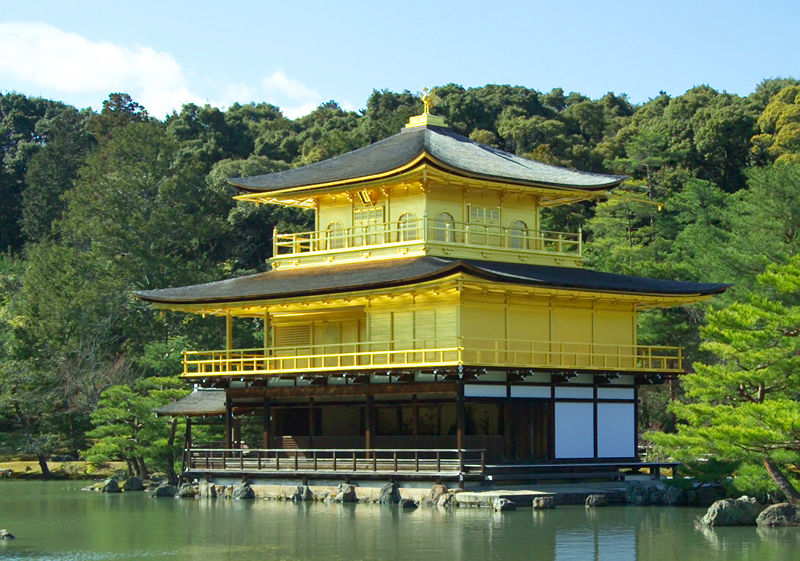
Nihon Kenchiku - Japanese architecture
Japanese architecture (日本建築 Nihon kenchiku?) has traditionally been typified by wooden structures, elevated slightly off the ground, with tiled or thatched roofs. Sliding doors (fusuma) were used in place of walls, allowing the internal configuration of a space to be customized to different occasions. People usually sat on cushions or otherwise on the floor, traditionally; chairs and high tables were not widely used until the 19th century. Since the 19th century, however, Japan has incorporated much of Western, modern, and post-modern architecture into construction and design, and is today a leader in cutting-edge architectural design and technology.
http://en.wikipedia.org/wiki/Japanese_architecture
http://upload.wikimedia.org/wikipedia/commons/thumb/e/eb/20100717_Kyoto_Nijo_Castle_2696.jpg/800px-20100717_Kyoto_Nijo_Castle_2696.jpg
http://upload.wikimedia.org/wikipedia/commons/thumb/c/c9/Kinkaku3402CBcropped.jpg/800px-Kinkaku3402CBcropped.jpg
http://upload.wikimedia.org/wikipedia/commons/thumb/1/17/Horyu-ji11s3200.jpg/800px-Horyu-ji11s3200.jpg
http://upload.wikimedia.org/wikipedia/commons/thumb/c/c5/Hokiji03ds1536.jpg/400px-Hokiji03ds1536.jpg
http://upload.wikimedia.org/wikipedia/commons/thumb/d/d3/Yakushiji_Toto.jpg/450px-Yakushiji_Toto.jpg
Kyoto environmental moodboard
Kyoto - a centerpiece for geishas - decided to create this moodboard for future reference when designing the environment for our game.
Tuesday, 23 October 2012
'Illusions' narrative
Our reinvented game 'Illusions' narrative file - written by our team member Aisha. Uploaded here for future reference purposes.
Tuesday, 16 October 2012
Research: 'The Art of Phoenix Wright: Ace Attorney' art book
Research: 'Phoenix Wright: Ace Attorney' - Capcom (2005)
Phoenix Wright: Ace Attorney stars Phoenix Wright, a rookie defense attorney in the Fey and Co. Law Offices, owned by fellow defense attorney Mia Fey. Other characters include Maya Fey, Mia's sister; Miles Edgeworth, a rival prosecutor; Dick Gumshoe, a scatterbrained detective, and Larry Butz, an old friend of Phoenix's. The game features five court cases divided into episodes. Each case flips between two game modes: investigation and the actual trial. In the investigation aspect of the game, Phoenix gathers evidence and speaks to characters involved in the case. In the trial aspect of the game, Phoenix defends his client using said evidence, cross examines witnesses and solves the mystery surrounding each case. The court perspective is usually in the third person, while the perspective outside of court is in the first person.
http://upload.wikimedia.org/wikipedia/en/7/73/Phoenix_Wright_-_Ace_Attorney_Coverart.png
http://www.pockett.net/jeu_video/NintendoDS/Capcom/Phoenix_Wright/pw_test_artv2.jpg
http://catchan1980.files.wordpress.com/2008/10/kira-loser.jpg
Research: Sumi-e painting
The 2000 year-old art form of Japanese brush painting is spiritually rooted in Zen Buddhism.
Sumi-e's earliest practitioners were highly disciplined monks trained in the art of concentration, clarity, and simplicity.
These early Zen Masters dedicated themselves to the art form with spiritual intensity through long years of serious reflection and strict discipline. Respect for Sumi-e's demands shaped their aesthetic direction. The monks adhered to a rigorous schedule of meditation in preparation for painting. Entering a deep contemplative state was at the core of the creative process: preparing the inkstone, grinding the sumi ink, loading the brush (fude), releasing the brush stroke on rice paper or silk scroll. Mastering the nuances of the black sumi ink was more difficult than painting with color and required consummate skill.
Research: 'Ōkami' art style
The art in 'Ōkami' is highly inspired by Japanese watercolor and wood carving art of the Ukiyo-e style, such as the work of Hokusai. 'Ōkami' was originally planned to be rendered in a more photorealistic 3D style. However, Clover Studio determined that the more colorful sumi-e style allowed them to better convey Amaterasu's association with nature and the task of restoring it.
Whilst researching the visual style of 'Ōkami' I came across this interview (http://uk.gamespot.com/okami/previews/okami-update-the-art-style-6157308/) with Clover Studio artist Naoki Katakai... This was incredibly interesting to read because it gave me ideas on what approach to take towards researching for visuals with our own re-make. For example, the artists researched old pictures of Japan, silhouettes, Kyoto (the ancient capital of Japan) for building structure and colour and for the geography of the game - Edo the "Water Capital", also known as Tokyo. Presentation-wise, they took ideas of what an old capital city would look like based on the Heian period (AD 794 to AD 1185) picture scrolls and various medieval works of art and paintings such as ukiyoe paintings from throughout Japan.
http://answers.yahoo.com/question/index?qid=20110802211308AALl8et
http://uk.gamespot.com/okami/previews/okami-update-the-art-style-6157308/
http://images2.fanpop.com/images/photos/3300000/Okami-s-Wallpapers-okami-video-game-3375383-1200-853.jpg
http://i.neoseeker.com/ca/okami_conceptart_ptX6g.jpg
http://i.neoseeker.com/ca/okami_conceptart_6XDkV.jpg
http://i.neoseeker.com/ca/okami_conceptart_0UqM3.jpg
http://i.neoseeker.com/ca/okami_conceptart_LONul.jpg
http://i.neoseeker.com/ca/okami_conceptart_mVWDy.jpg
http://i.neoseeker.com/ca/okami_conceptart_DWA0E.jpg
http://i.neoseeker.com/ca/okami_conceptart_z7L1g.jpg
http://i.neoseeker.com/ca/okami_conceptart_hfP3Y.jpg
http://i.neoseeker.com/ca/okami_conceptart_u5vu2.jpg
http://i.neoseeker.com/ca/okami_conceptart_r3rD4.jpg
http://i.neoseeker.com/ca/okami_conceptart_g2xpp.jpg
http://i.neoseeker.com/ca/okami_conceptart_g9DnH.jpg
http://i.neoseeker.com/ca/okami_conceptart_YR7mm.jpg
Research: 'Ōkami Official Complete Works' art book
Subscribe to:
Posts (Atom)